Back to Tips & Articles
Impact of Social Isolation and Loneliness on Seniors
Tips & Articles
Seniors
28 Feb 2024
What’s the impact of social isolation and loneliness on seniors? We unpack the reasons why seniors can become socially isolated, the negative effects of it and how we can help them stay connected to a community.
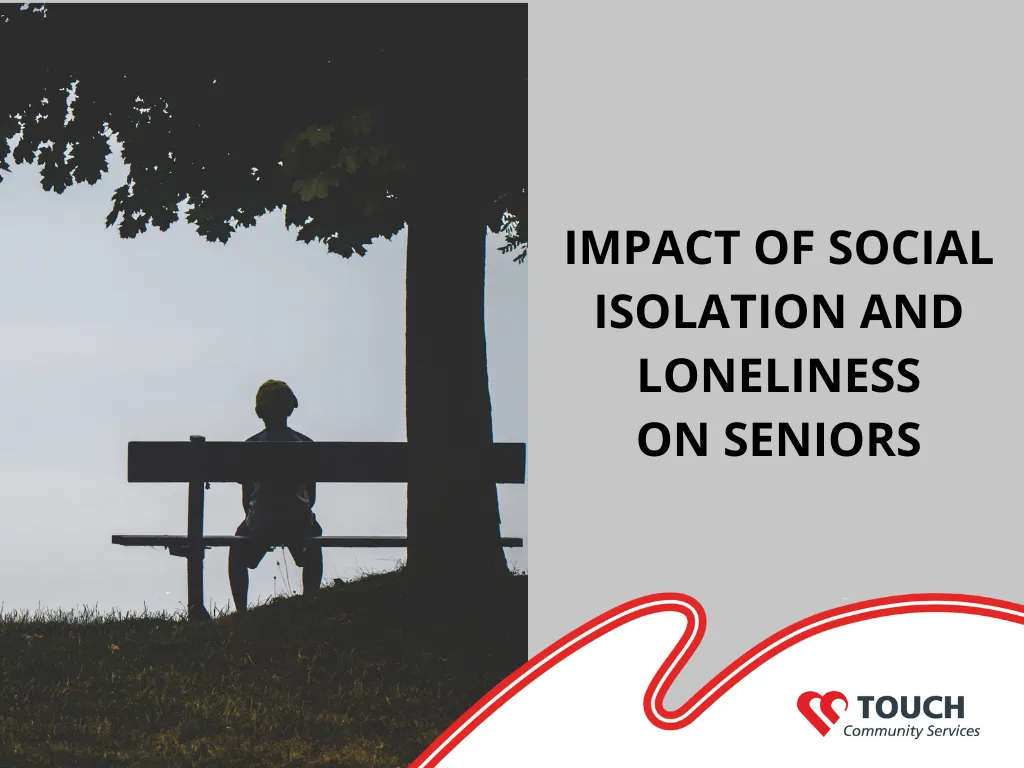
Social Isolation in Seniors: Why it Matters
By 2030, it is expected that about one in four of the Singapore population will be aged 65 and above [1]. With a rapidly ageing population, older adults today are at higher risk of social isolation and loneliness.
What is the difference between loneliness and social isolation?
While loneliness represents a person’s perception of feeling socially isolated, social isolation is an actual physical state of having few to zero social relationships and the lack of social contact with others [2].
Why are seniors more at risk of social isolation?
Seniors are at higher risk of both social isolation and loneliness due to the changes in their health, such as becoming more frail, having vision or hearing loss, reduced memory and trouble getting around [3]. Additionally, their social circle tends to get smaller as they grow older due to the loss of family and friends and their adult children starting their own family [4]. Some seniors who live alone are more introverted and reserved due to family background and life experiences, which may increase their risks of isolation.
What are the effects of social isolation?
Social isolation has detrimental effects on seniors’ health and well-being, including poor health outcomes like heart diseases, stroke and high blood pressure [5]. Studies have shown that social isolation significantly increases one’s risk to a premature death, bearing the same effect on mortality as smoking [6]. When one isolates themselves, their mental and emotional health are impacted, leading to feelings of depression and anxiety. Seniors who have chronic medical conditions or had a fall may avoid stepping out of their homes, which results in lower quality of life and increased risk of isolation [7].

How to Help Seniors Stay Connected?
If you have elderly loved ones or neighbours who live alone, here are some tips by TOUCH Active Ageing which you could employ to help them stay connected and not become isolated:
- Be patient and a good listener: Seniors who are socially isolated may find it difficult to reach out for help due to the stigma surrounding isolation and loneliness [1]. Be patient with them if they are not as responsive and be attentive if they do open up to you. We may not resolve their problems by hearing them out, but the act of listening can bring them comfort and help them feel less alone.
- Link them to available resources: Identify a neighbour whom the senior can trust and stay connected with. They can serve as an emergency contact and help check up on them. Depending on their needs, connect the senior to relevant resources such as meals delivery, medical escort or a community nurse.
- Check up on your family and friends: The last thing we wish to see is the senior detaching themself from the world and becoming isolated. Take the initiative to show your concern and check up on them through phone messages, video calls or social media frequently. For seniors with mobility issues, arrange transportation to ferry them around and introduce them apps to do grocery shopping.
- Organise a block party: Encourage the seniors to organise a block party by inviting their neighbours or friends to an exercise or potluck session at the void deck. This promotes good neighbourhood spirit, gives the seniors a chance to socialise with one another and build a sense of belonging in the community.
- Engage them through their interests: Invite the senior to an Active Ageing Centre where they can forge meaningful bonds with other seniors and engage in activities that benefit their well-being. Find out if the senior has any childhood interests or unfulfilled wishes such as doing arts or learning music. The centre may be able to create a personalised activity for them or better engage them with their existing activities.
Staying connected is an essential part of developing and maintaining a healthy and active lifestyle. Seek to connect with your elderly loved ones and keep a look out for the vulnerable seniors in your midst. All of us play an important role in building a supportive and inclusive community!
TOUCH Active Ageing (TAA) empowers seniors to lead fulfilling lives as they learn to stay physically active and socially connected. We believe that every senior - regardless of their age, ability or physical status - can be equipped as a resource to help others.
Sources
1. Chin, Soo Fang. “S'pore's population ageing rapidly: Nearly 1 in 5 citizens is 65 years and older” The Straits Times, 28 Sep. 2022, https://www.straitstimes.com/singapore/singapores-population-ageing-rapidly-184-of-citizens-are-65-years-and-older
2. “All the lonely people”: The impact of loneliness in old age on life and health expectancy” Duke NUS, 7 Jul. 2021, https://www.duke-nus.edu.sg/allnews/impact-of-loneliness-on-life-and-health-expectancy
3. “Loneliness and Social Isolation — Tips for Staying Connected” National Institute on Aging, https://www.nia.nih.gov/health/loneliness-and-social-isolation/loneliness-and-social-isolation-tips-staying-connected
4. “Experiencing social isolation” Health Hub , Loneliness and Social Isolation Linked to Serious Health Conditions” Alzheimer’s Disease and Healthy Aging, https://www.healthhub.sg/programmes/mindsg/caring-for-ourselves/experiencing-social-isolation-seniors
5. “Experiencing social isolation” Health Hub , Loneliness and Social Isolation Linked to Serious Health Conditions” Alzheimer’s Disease and Healthy Aging, https://www.cdc.gov/aging/publications/features/lonely-older-adults.html
6. “Risk and Protective Factors for Social Isolation and Loneliness” National Library of Medicine, https://www.ncbi.nlm.nih.gov/books/NBK557971/
7. Goh, Yan Han. “Elderly people may feel lonely, isolated even while living with family: Study” The Straits Times, 27 Aug. 2021, https://www.straitstimes.com/singapore/elderly-experience-social-disconnection-even-among-those-living-with-their-family-study